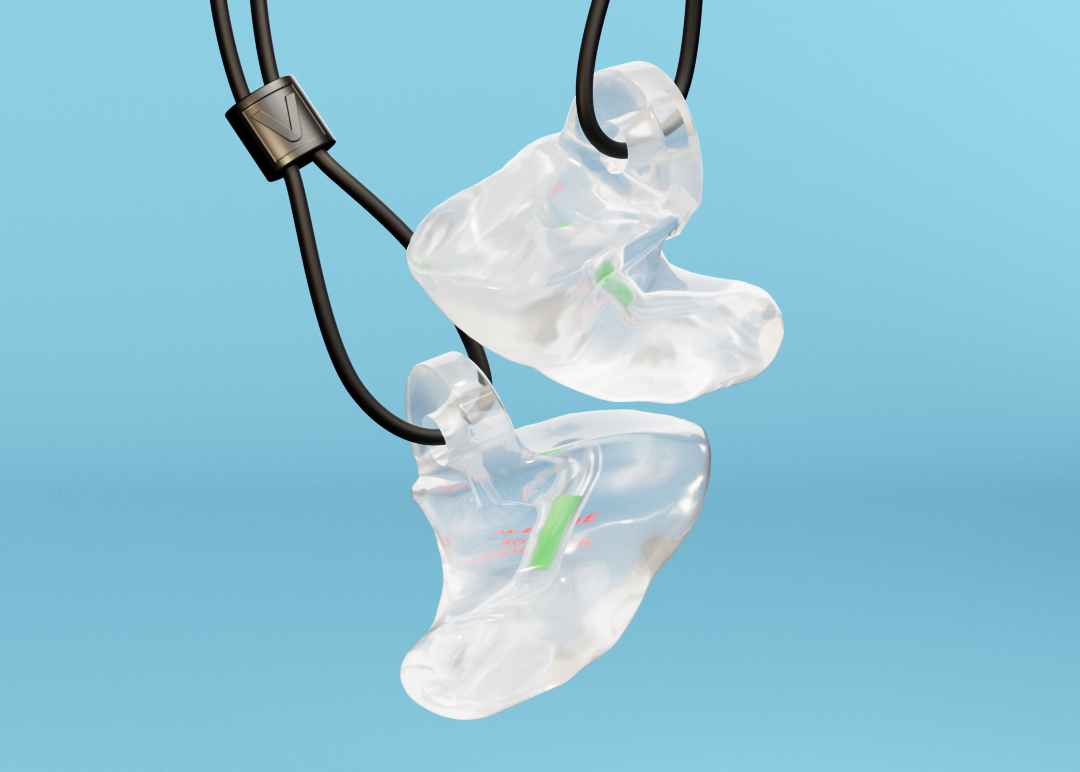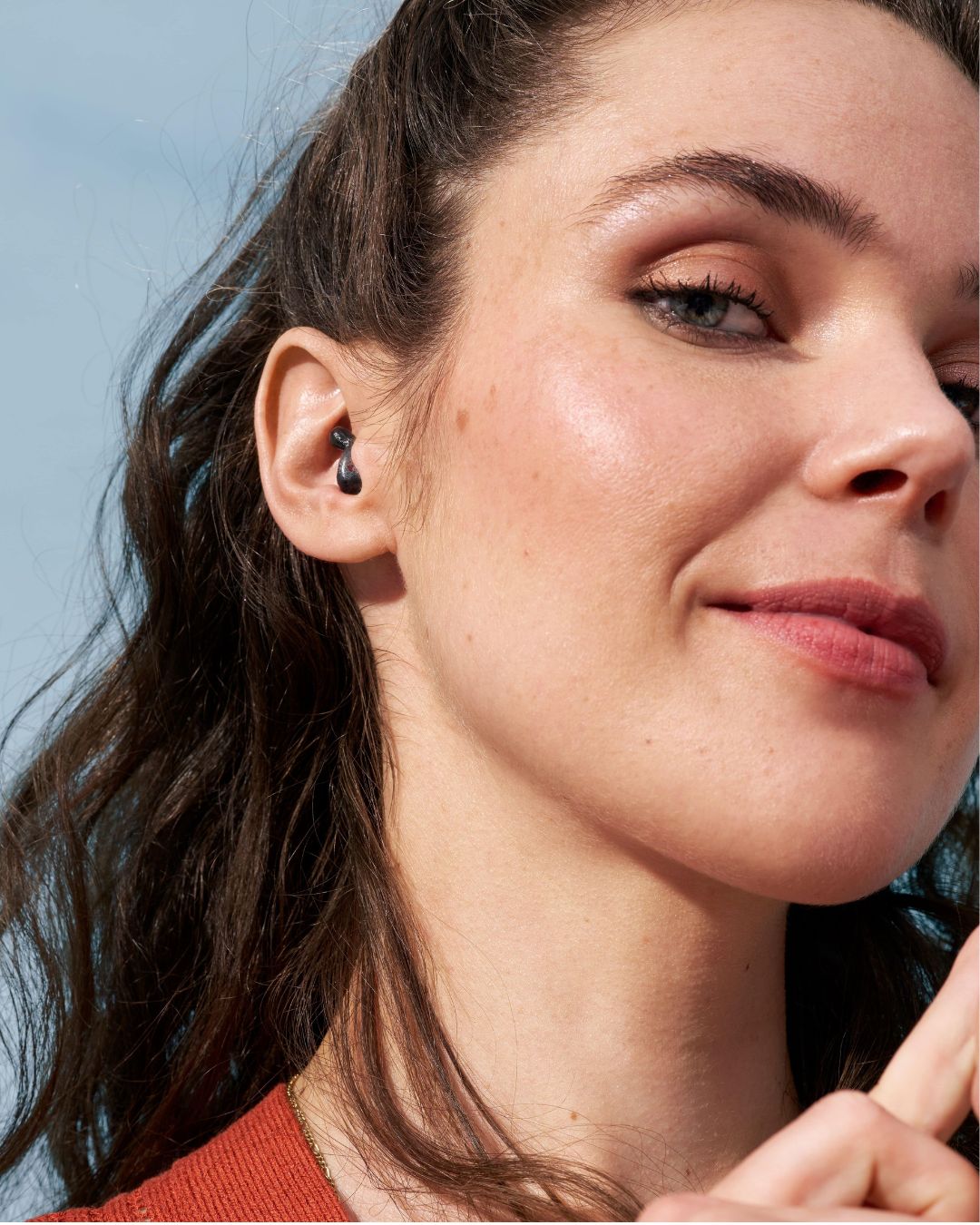
You might not think about it, but custom earplugs that fit perfectly when you buy them can start to seal less effectively over time. Did you know that even small gaps can significantly reduce your protection? A leak test quickly shows whether your custom hearing protection is still doing its job. And that matters. Because earplugs that do not seal properly give you a false sense of security.
Why Perfect-Fitting Custom Earplugs Can Still Change Over Time
Reason 1: Your Ears Change
No matter how subtle, your ears change throughout your life. Those changes can be related to:
- Age
- Weight fluctuations
- Temperature
- Hormonal fluctuations
- Minor injuries
With custom hearing protection, even a tiny change like this can create a small opening between your earplug and your ear canal.
The Invisible Gap That Lets Sound Through
A tiny gap can cause sound to "leak" past the filter. That reduces the effective noise reduction. It can mean the difference between listening safely at a festival and ending up above the risk limit. Sound that gets in through a leak is not filtered.
How Does a Leak Test for Custom Hearing Protection Work?
The Pressure Test: Simple and Clear
A professional leak test uses light air pressure to check whether your earplugs seal completely. Think of it like checking a bicycle tire. If the pressure stays stable, they are sealing properly. If the pressure drops, there is a "leak." In other words, your hearing protection is no longer sealing completely. Alpine's specialized otometrists can walk you through the technical details of how this test works for anyone who wants to know more.
What Does the Result Say About Your Protection?
A small leak does not automatically mean you need new earplugs right away. It depends on where you use them, how loud the sound is, and how long you are exposed. Go to a festival once a year? The impact is very different from someone who rides a motorcycle every day or works in a noisy environment.
How Often Should You Have Your Custom Earplugs Tested?
Once a Year Is a Smart Guideline
A yearly check is a great starting point for most people. Why?
- Your ears change subtly.
- Materials become less flexible.
- Filters wear out.
Think of it like a dental checkup or annual maintenance. A few minutes of testing protects years of listening enjoyment. Safe hearing protection is an investment for life.
Signs You Should Test Earlier
Use your hearing protection heavily? Then checking more often is a smart move. Either way, get them checked as soon as you notice any of these changes:
- They feel less comfortable than they used to.
- You see cracks or distortion.
- They fall out more easily.
- Inserting them takes more effort.
- You can clearly hear more sound than before.
- You have lost or gained a lot of weight.
- You have had an ear injury or surgery.
What Happens If You Do Not Test?
The Risk of False Security
You are wearing earplugs, so you assume you are safe. But if your hearing protection is not sealing properly, your hearing is still being exposed. That false sense of security actually creates more risk. Because if you think your hearing protection is working well, you stay longer at that festival or take one extra loop on your motorcycle. Meanwhile, you may already be developing hearing damage. And that cannot be undone.
'Almost Right' Is Not Good Enough
Hearing damage builds up step by step and does not recover. Often, you only notice it when it is already too late. Think tinnitus or struggling to follow conversations in noisy spaces. At Alpine, we believe you should be able to keep enjoying music, silence, travel, and adventure. That is why protection needs to actually work. The good news? Safe protection is always possible. And regular testing is simple.
Getting Your Hearing Protection Tested: What Are Your Options?
Have It Measured Professionally
A specialist or hearing care professional can perform a professional leak test. The check is quick, both ears are measured separately, and you get your results right away along with advice on whether adjustment or replacement makes sense. Only a professional test can confirm whether your protection is still delivering the right level of attenuation. You can visit Alpine in Utrecht for this, or, for the business market, our partner Seeh.
What Can You Check Yourself at Home?
You can spot warning signs at home, but you cannot do a real leak measurement yourself. Here is what to look for:
- Are cracks or damage visible?
- Do the earplugs still feel flexible?
- Do they seal comfortably?
- Are you noticing more sound than before?
Important: this does not replace a professional test, but it helps you stay on top of things.
Replace or Switch?
When Replacement Is the Smarter Choice
Use this simple guideline:
- Older than 4 years? Replacement often makes sense.
- Material damaged or dried out? Replace them.
The average lifespan of custom hearing protection is 2 to 4 years, depending on use and maintenance. Sometimes replacing is more practical than continuing to adjust.
Is Universal Hearing Protection an Alternative?
High-quality universal earplugs are seriously effective these days. Thanks to smart acoustic filters, they offer reliable noise reduction without a fit test. Great for concerts and festivals, motorcycle rides, or sleeping at night. Universal earplugs are a practical and relatively affordable choice for a lot of people.
Maintenance: How to Keep Your Hearing Protection in Good Condition Longer
Daily Care That Makes a Difference
Good maintenance keeps the fit better for longer and extends the lifespan of your hearing protection. Here is what we recommend:
- Clean after each use with lukewarm water and mild soap.
- Dry them completely before storing them.
- Store them in a protective case. Do not keep them loose in your pocket.
- Avoid extreme heat.
Our advice: take good care of your hearing protection, and it will take good care of your hearing.