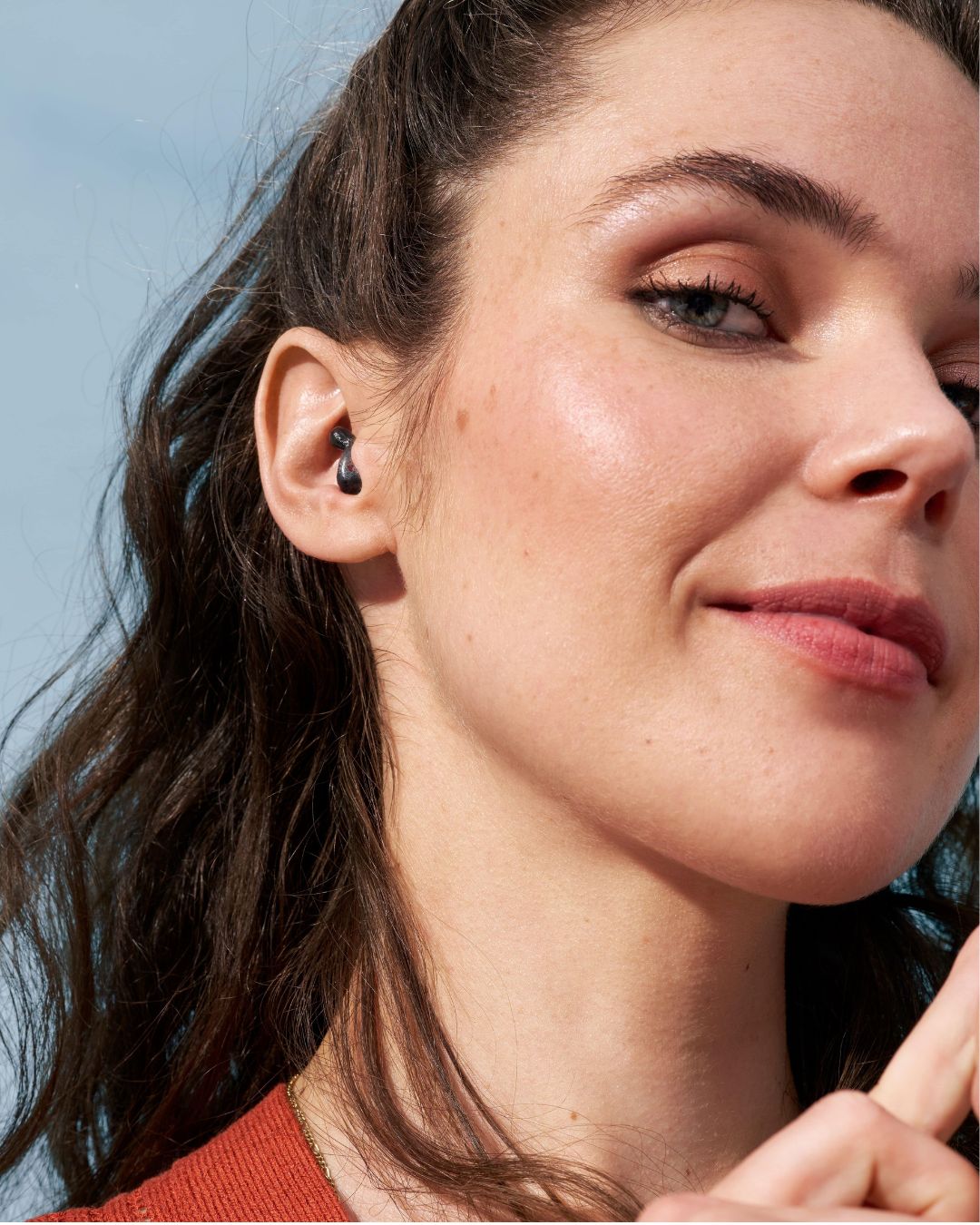
An angle grinder on a construction site, machines on a factory floor, or speakers at an event. In many work environments, hearing damage is a real risk. That is why employers are required in some cases to provide hearing protection. But what the law requires is not automatically safe for your hearing. In this blog, you will learn when hearing protection is required and why it is often smart to start earlier.
Required Hearing Protection: These Are the Rules
The Key dB Limits Explained
The Arbowet protects employees against harmful noise exposure. It sets clear limits.
- At a noise level of 80 dB or higher, the employer must offer hearing protection and inform employees about the risks. The employee then decides whether or not to wear hearing protection.
- At a noise level of 85 dB or higher, wearing hearing protection is mandatory. The employer must mark workplaces as noise zones and make sure employees follow the rules.
- The absolute limit is 87 dB. The noise level may never exceed this. Not even when employees are wearing hearing protection.
Why Noise Is Harmful Before It Hurts
Hearing Damage Happens Without a Warning Sign
You might think sound only becomes dangerous when it hurts. Unfortunately, that is not true. Inside your inner ear are tiny hair cells that convert sound into signals for your brain. Those hair cells can be permanently damaged by prolonged exposure to noise. Often without you even noticing. Your hearing does not suddenly shut off. It fades gradually. And that is what makes it so sneaky.
The Consequences: Tinnitus, Hearing Loss, and Reduced Sleep Quality
Prolonged noise exposure can lead to hearing damage. It can show up in different ways:
- Permanent hearing loss
- Tinnitus (a constant ringing or buzzing)
- Trouble concentrating
- Fatigue
- Reduced sleep quality
Bottom line: protecting your hearing is an investment in your long-term quality of life.
Think About Hearing Protection Outside Work Too
Situations With Increased Risk
Hearing protection is not only important at work. You can also risk hearing damage during the activities below. Some of these situations easily hit 90 or even 100 dB:
- DIY jobs with power tools
- Motorcycling
- Festivals and concerts
- Flying
- Noisy sporting events
Children Are Extra Vulnerable
One more thing worth keeping in mind: children's ears are more sensitive than adults' ears. Their hearing is still developing, and damage at a young age lasts a lifetime. So protection is not an unnecessary luxury. It is a smart preventive choice.
Which Hearing Protection Fits Your Situation?
Earmuffs Versus Earplugs
The right protection depends on your environment, how long you wear it, and comfort.
Earmuffs:
- Quick to put on and take off
- Great for short-term use
- Fit almost everyone
Earplugs:
- Comfortable for long-term wear
- Compact and lightweight
- Available with filters that allow for easy communication
Work in noise every day? Then comfort is essential if you want to keep wearing protection consistently. For work environments with constant noise exposure, filtered solutions such as Alpine WorkSafe are designed to attenuate harmful levels while keeping warning sounds audible.
Why Custom-Made Is Often the Best Choice
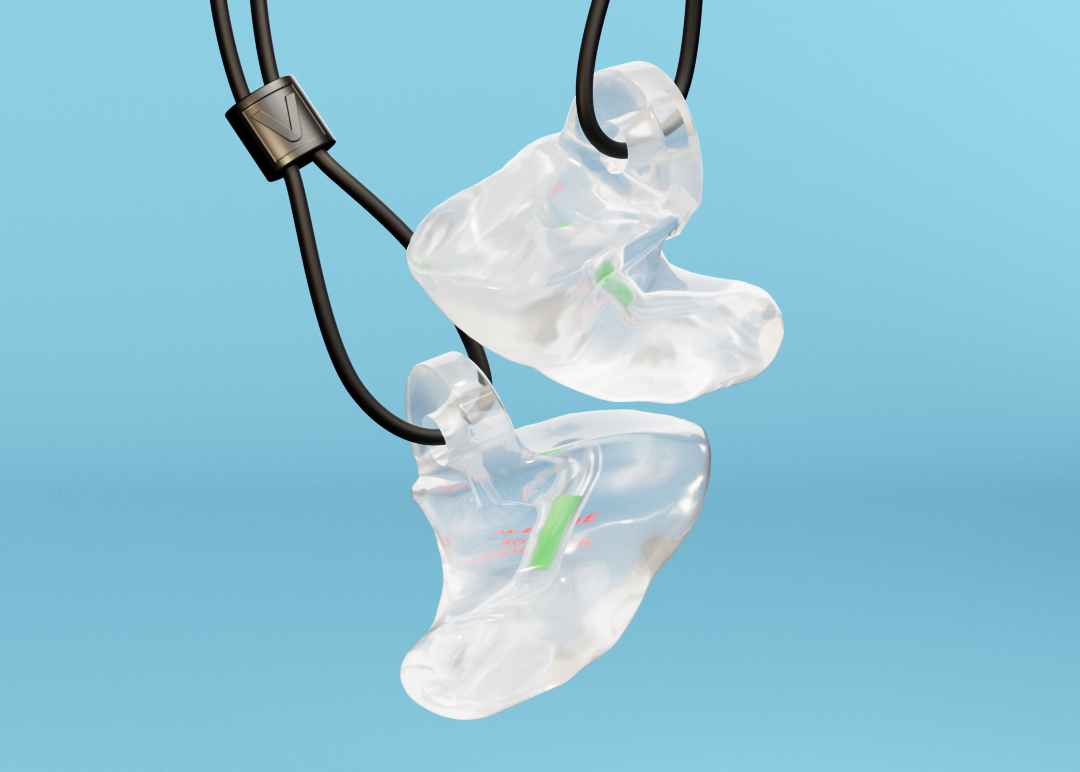
For prolonged or intensive exposure, custom-made protection can be the answer. Benefits of custom-made hearing protection:
- Optimal fit
- Consistent attenuation
- Suitable for daily professional use
- Less chance of pressure points or leakage
Check out the options for custom hearing protection here.
More Than an Obligation: Choose a Hearing-Safe Future
Take Early Signals Seriously
The Arbowet sets limits. But hearing health goes beyond following rules.
Watch for signs such as:
- Difficulty following conversations
- Ringing after a workday
- Sensitivity to loud sounds
- Fatigue after noise exposure
Our tip: do not wait until symptoms become permanent. Take action now.
Your Personal Hearing Protection Plan
When choosing the right hearing protection, ask yourself these 3 questions:
- How many decibels am I exposed to every day?
- How long does that exposure last?
- Am I wearing protection that is comfortable enough to stick with?
Do not underestimate that last one. Hearing protection only works if you actually wear it long enough.
Conclusion: Do Not Wait Until It Is Required
Hearing protection is legally required from 85 dB. But hearing damage often starts earlier and without any warning. The legal standard is a minimum. Your hearing has to last a lifetime.
With prolonged exposure above 85 dB, it can be wise to have hearing protection professionally fitted for an optimal fit and consistent attenuation.
Whether you work in a noisy environment or are exposed to loud sounds in your free time, protecting is easier than repairing. Taking action today means hearing better for the rest of your life.